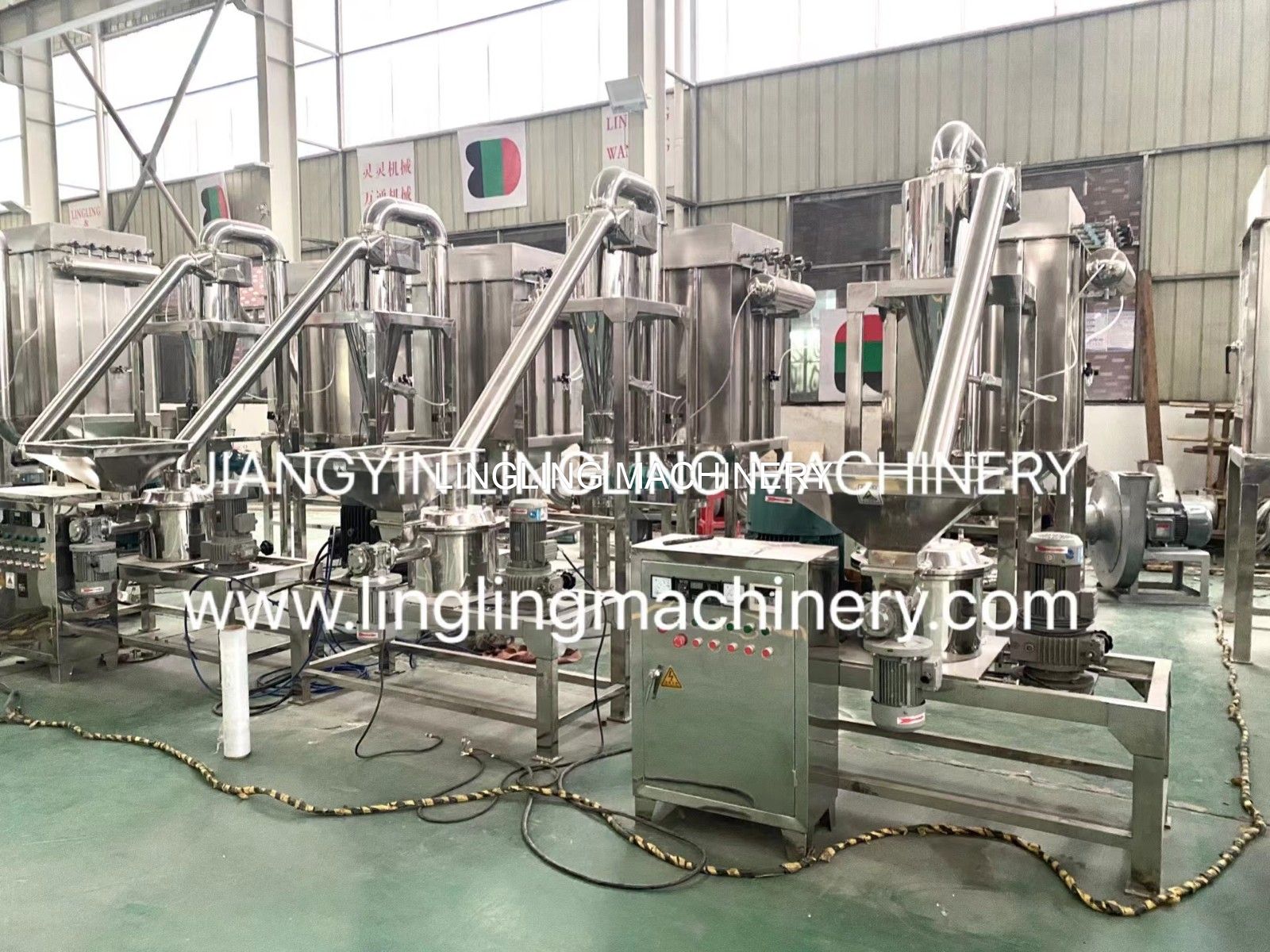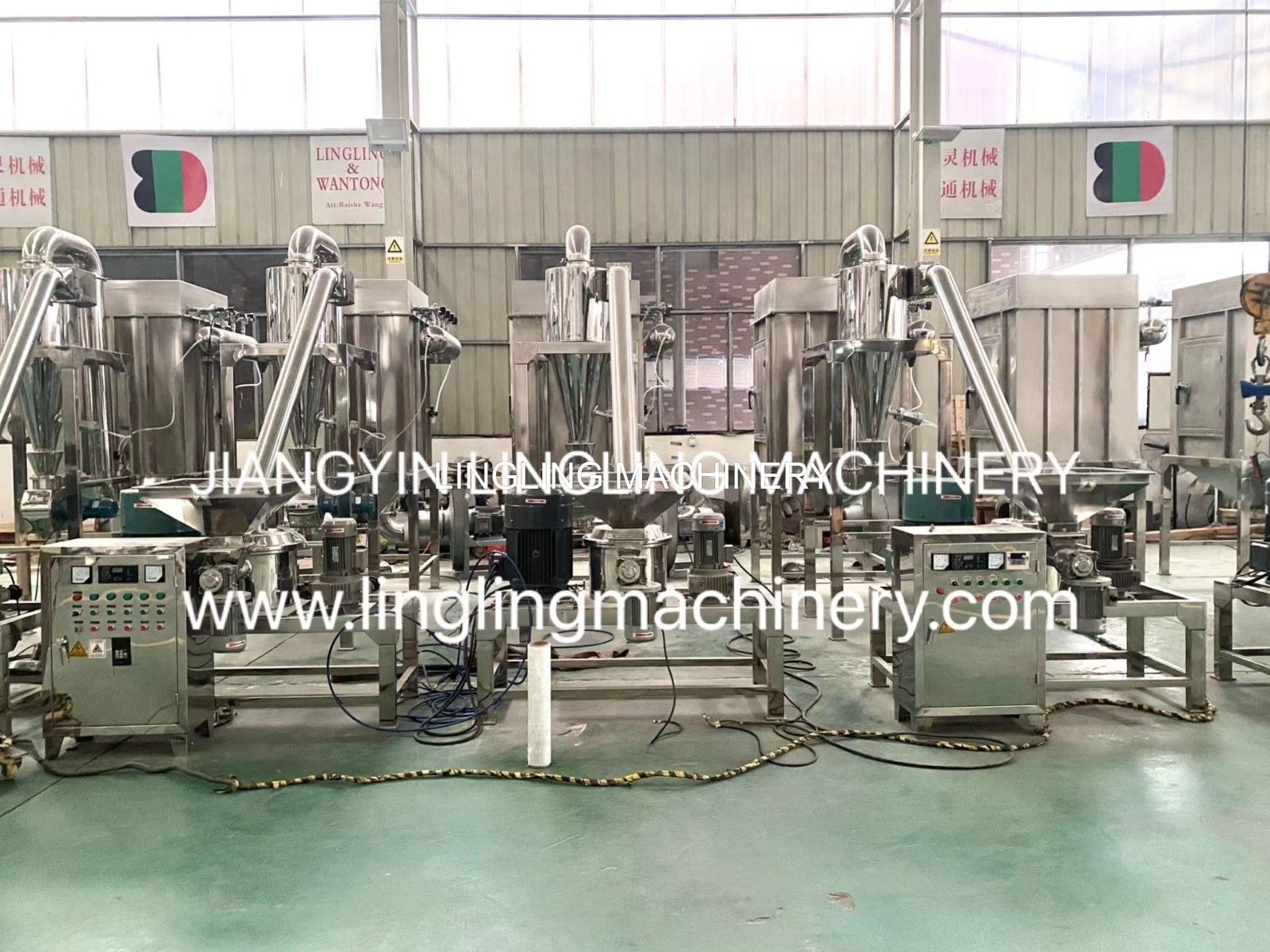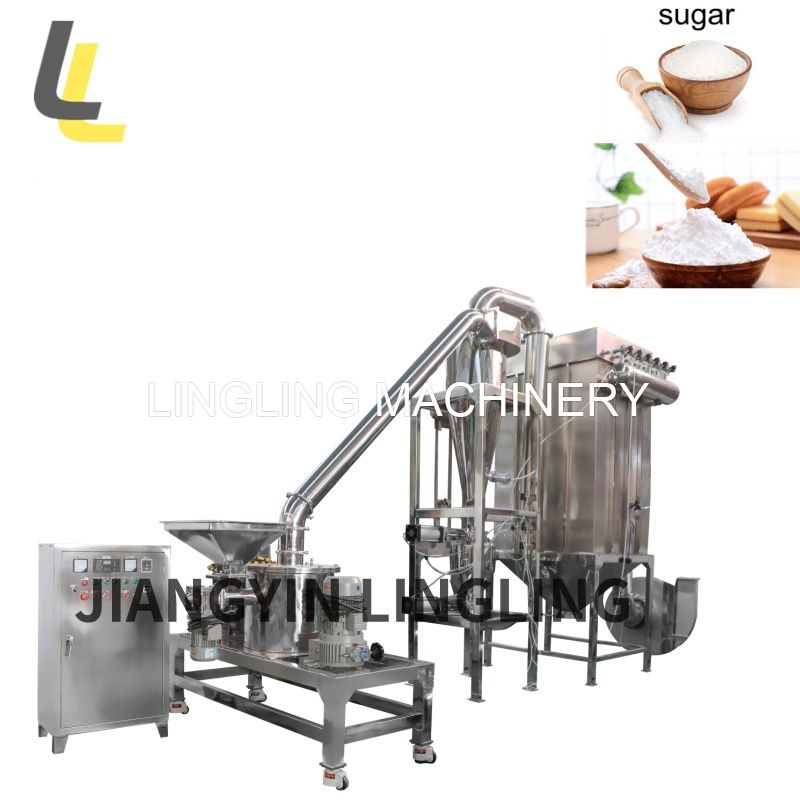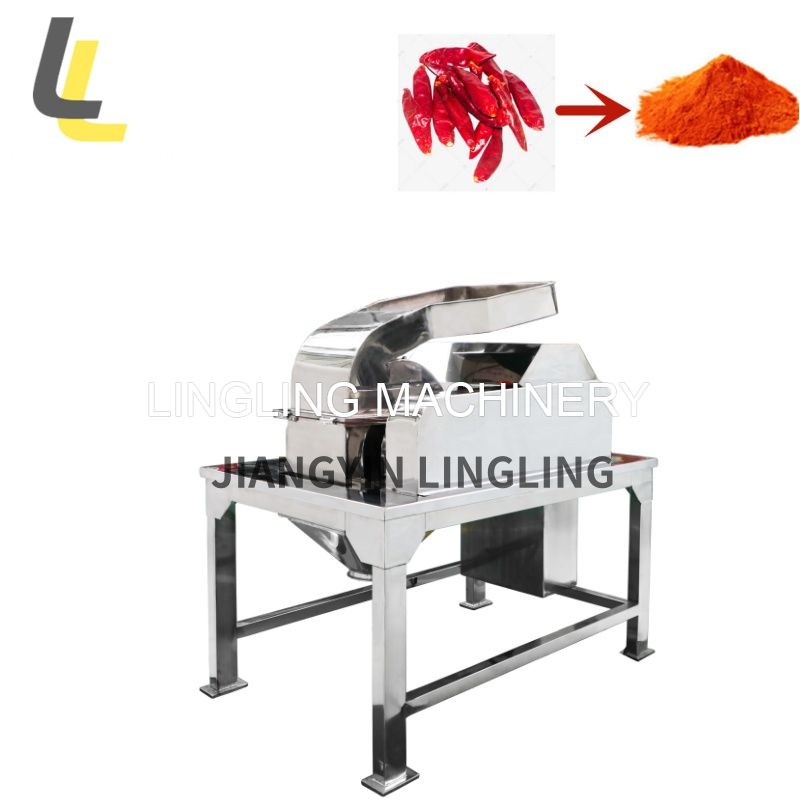

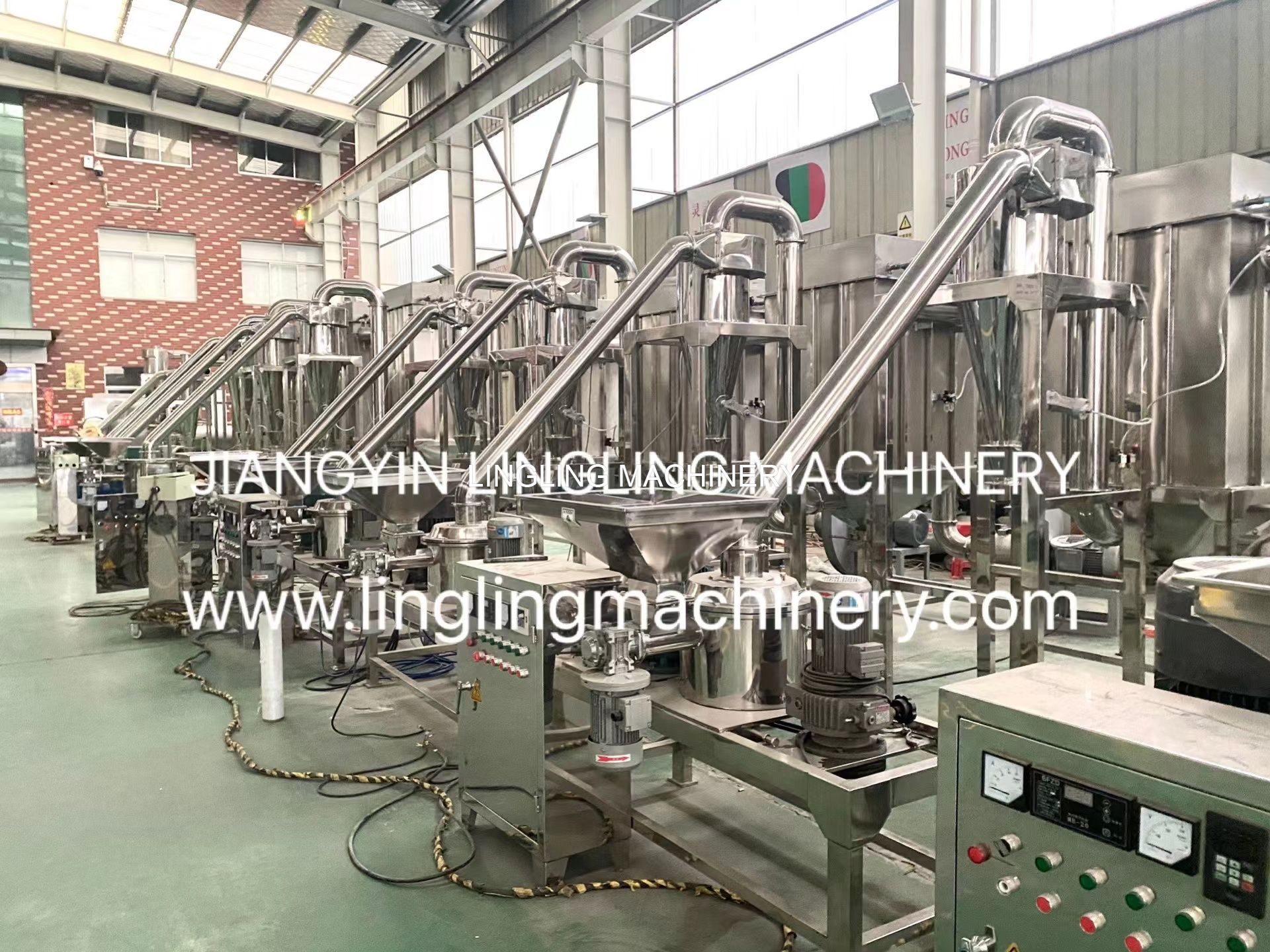
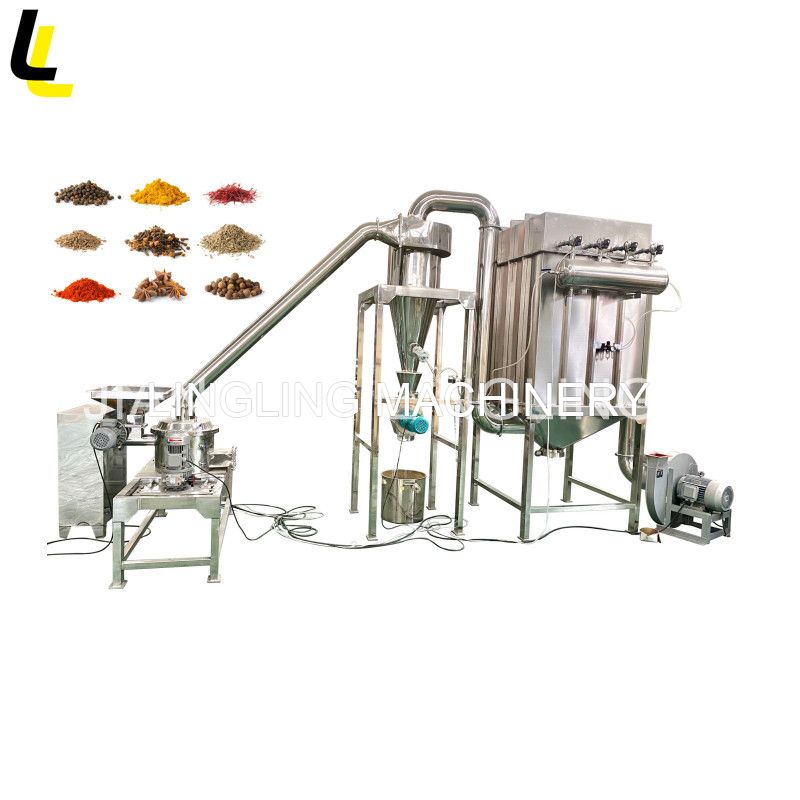
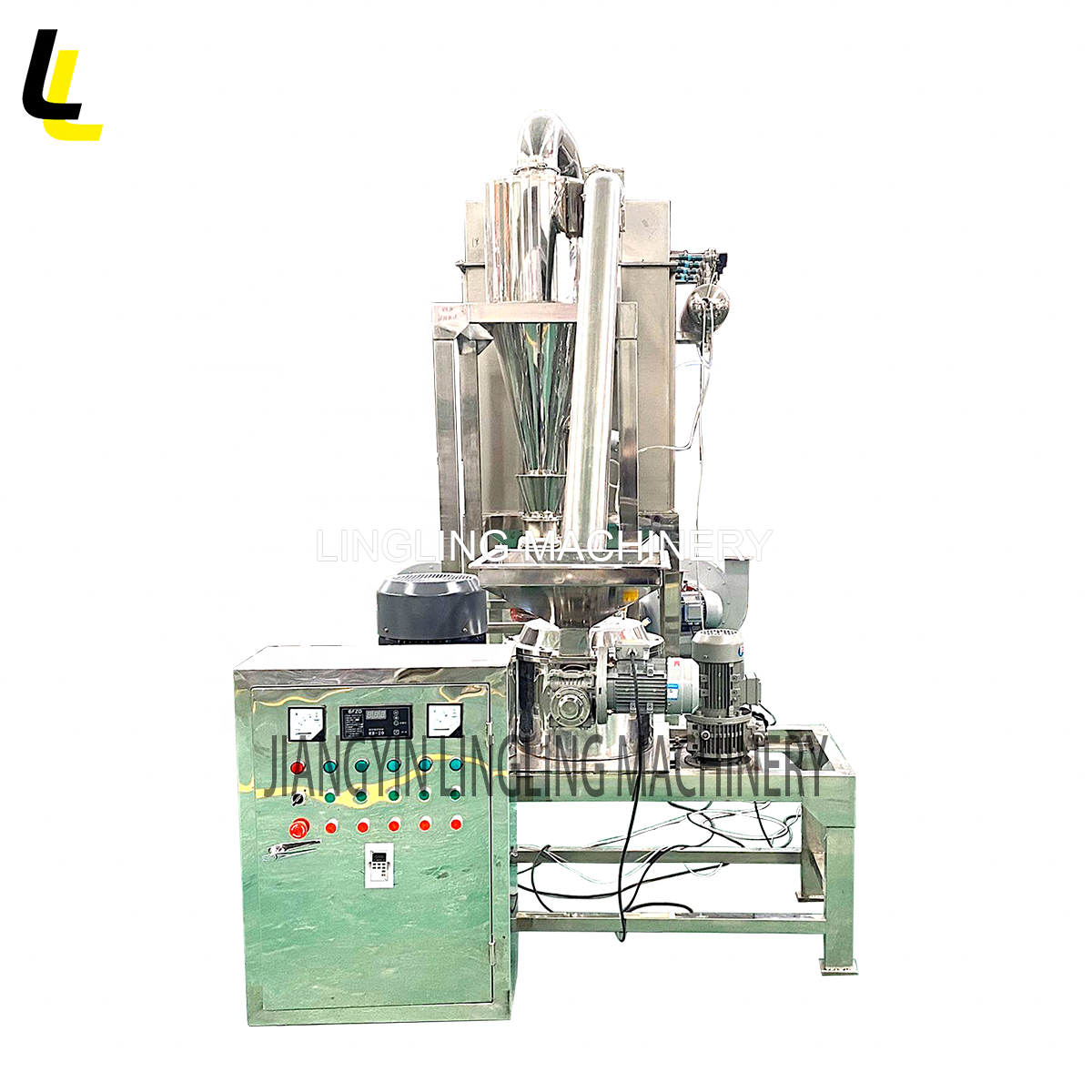
### Core Function & Use Case
Chemical processing presents unique challenges: many raw materials are flammable, corrosive, or toxic, and even minor inconsistencies in particle size can disrupt chemical reactions or compromise product quality. Standard grinders fail to address these risks, leading to safety hazards, contamination, or wasted batches.
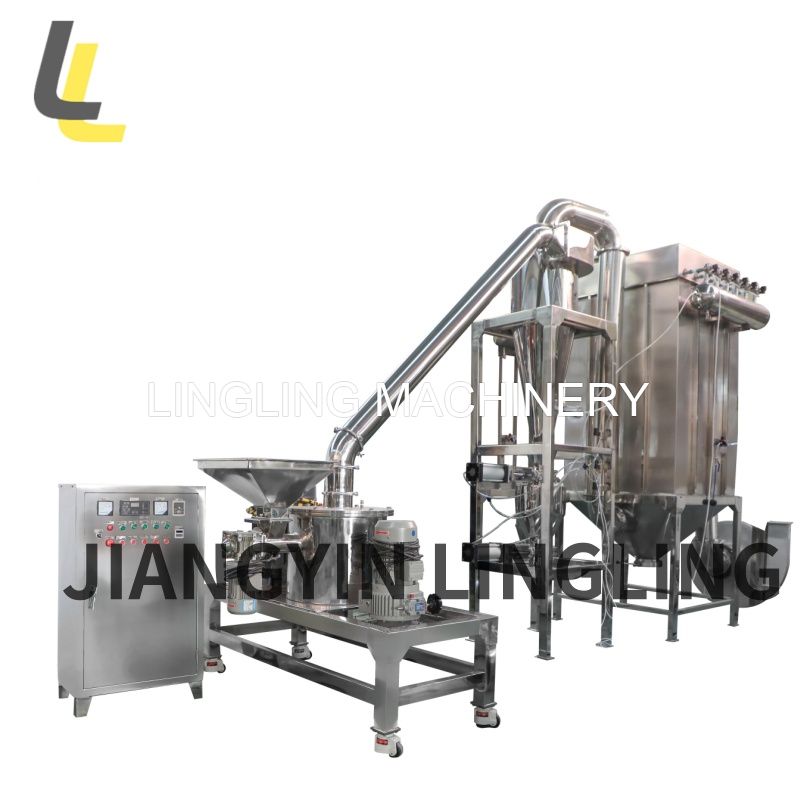
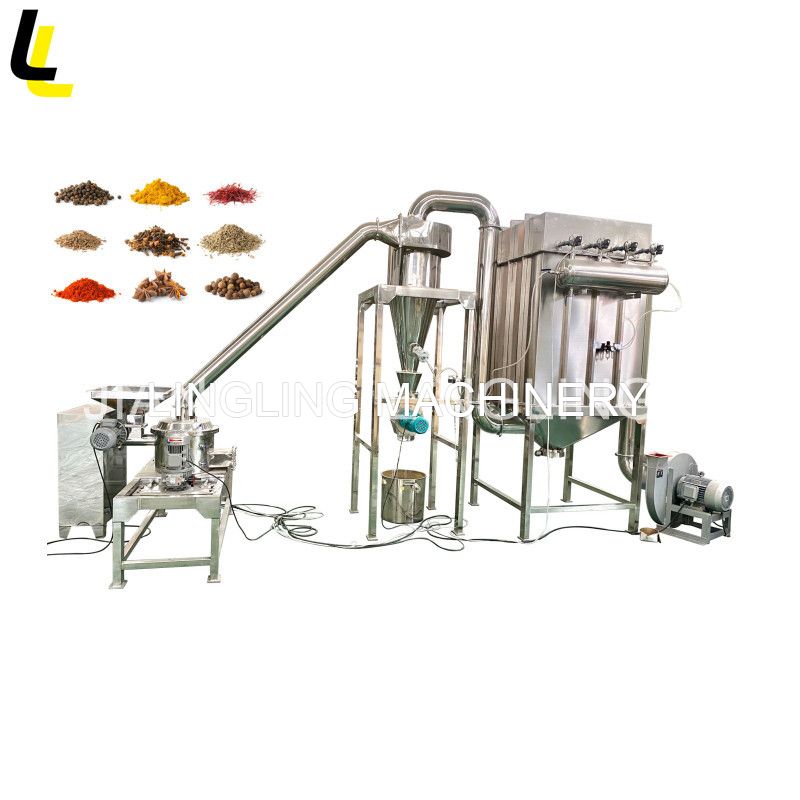
This machine is engineered specifically for chemical materials, with explosion-proof components, corrosion-resistant contact parts, and precision air-classification technology. Widely used in industrial chemical facilities, it supports continuous production while maintaining strict safety and quality standards.
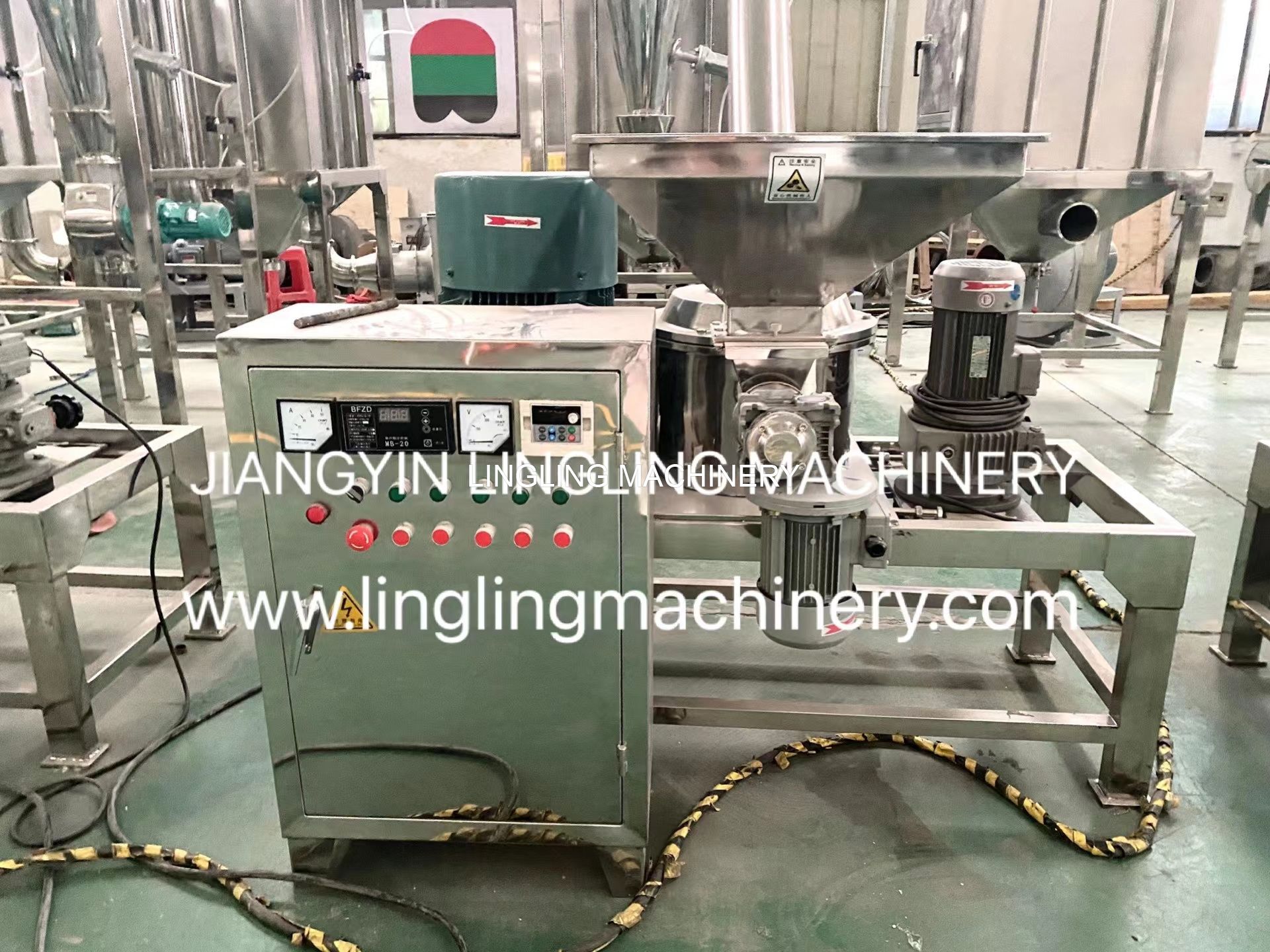
### Tailored Advantages for Chemical Processing - **Explosion-Proof & Anti-Static Design**: Built with certified explosion-proof electrical components and anti-static materials, eliminating ignition risks from fine chemical dust and static buildup. - **Corrosion-Resistant Contact Surfaces**: The grinding chamber and internal parts are made of corrosion-resistant alloys, handling acidic, alkaline, or reactive chemical raw materials without degradation. - **Ultra-Precision Particle Size Control**: The air-classification system delivers consistent micro-fine powder, ensuring uniform reactivity and reliable results in downstream chemical processes. - **Fully Sealed, Dust-Tight Operation**: The closed-loop design contains all toxic or hazardous dust, preventing leaks, environmental contamination, and worker exposure. - **High-Load Industrial Durability**: Built with heavy-duty components from world-renowned brands, it supports continuous, high-volume operation in demanding chemical production environments.
### Design & Working Principle The Chemical Micro Fine Powder Grinding Machine operates through a safety-focused, contamination-free process optimized for chemical materials: 1. **Sealed Feeding & Corrosion-Resistant Shearing**: Material enters via a dust-tight screw conveyor, where precision blades shear the raw material into fine particles in a corrosion-resistant chamber. 2. **Air Classification & Safety Separation**: The powder passes through the guide ring into the classification chamber. Airflow and centrifugal forces separate particles, while the enclosed system prevents dust escape. 3. **Re-Grinding Oversized Particles**: Particles larger than the target size are thrown back for reprocessing, ensuring only uniform micro-fine powder moves forward. 4. **Contained Collection & Filtration**: Fine powder enters the cyclone separator, where it is collected in a sealed container. Residual dust is captured in a dedicated, enclosed dust box, maintaining a safe workspace.
| Model | WFJ-10 | WFJ-15 | WFJ-20 | WFJ-30 | WFJ-60 | WFJ-80 | WFJ-100 |
| Production Capacity (kg) | 10~50 | 50~100 | 80~200 | 200~400 | 400~800 | 500~1000 | 600~1200 |
| Feeding size (mm) | <5 | <10 | <10 | <12 | <12 | <12 | <12 |
| Crushing fineness (mesh) | 80-600 | ||||||
| Motor power (kw) | 12 | 13.37 | 18.37 | 42.5 | 77.5 | 96 | 138 |
| Spindle speed (rpm) | 4000 | 5800 | 4200 | 3800 | 3200 | 2800 | 2000 |
| Weight (kg) | 500 | 1000 | 1200 | 1800 | 2500 | 3000 | 4000 |
| Overall dimension (L*W*H)(mm) | 1700x1800x2200 | 4500x1250x2700 | 6000x1250x2900 | 7100x1300x3650 | 8000x2300x4500 | 8500x2500x4600 | 10000x2800x5000 |
*The above specifications are provided for reference only. We can also design and manufacture different standard upon customer's request.